Camping Textiles: Essential Materials for Outdoor Adventures
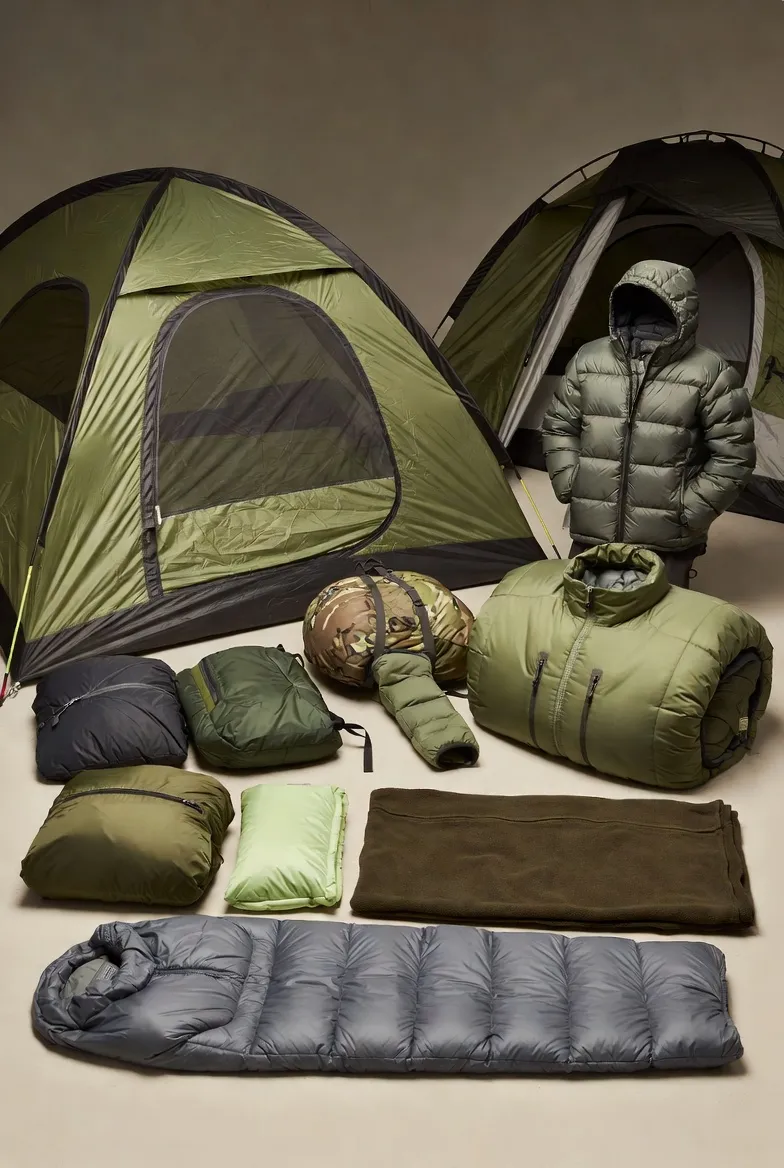
Camping is an adventurous and enriching experience that brings you closer to nature. The right gear is crucial for a successful camping trip, and textiles play a vital role in ensuring comfort, durability, and protection from the elements. From tents and sleeping bags to clothing and backpacks, camping textiles are designed to enhance your outdoor experience. This article delves into the importance of camping textiles and what to look for when choosing them.
Introduction
Camping textiles encompass a variety of materials used in camping gear and clothing. These textiles are engineered to provide comfort, durability, and protection, making them essential for any outdoor adventure. Understanding the different types of camping textiles and their benefits can help you make informed decisions when preparing for your next camping trip.
Types of Camping Textiles
Camping textiles are broadly categorized into four main types: tents, sleeping bags, clothing, and backpacks. Each type serves a specific purpose and requires particular qualities to perform effectively in outdoor conditions.
1. Tent Fabrics
Tents are your primary shelter while camping, and the fabric used is crucial for protection against weather elements. Common tent fabrics include:
- Polyester: Lightweight, durable, and resistant to UV rays, making it ideal for tents.
- Nylon: Strong and lightweight, offering excellent resistance to abrasion and tearing.
- Canvas: Heavy-duty and breathable, providing good insulation but can be heavier and bulkier.
2. Sleeping Bag Materials
Sleeping bags keep you warm and comfortable during the night. Key materials include:
- Down: Provides excellent insulation and is lightweight and compre...(truncated 1995 characters)... fits well and provides comfort for extended wear.
Innovations in Camping Textiles
The camping industry continuously evolves, with innovations enhancing textile performance. Recent advancements include:
- Eco-friendly Materials: Sustainable options like recycled polyester and organic cotton reduce environmental impact.
- Smart Textiles: Fabrics with integrated technologies, such as UV protection, insect repellent, and moisture sensors, enhance outdoor experiences.
- Enhanced Breathability: Improved fabric technologies offer better ventilation and moisture management, keeping you dry and comfortable.
Conclusion
Camping textiles are a cornerstone of outdoor gear, ensuring comfort, protection, and durability. By understanding the different types of camping textiles and their benefits, you can make informed choices that enhance your camping adventures. Whether you’re a seasoned camper or a beginner, investing in quality camping textiles will contribute to a safer and more enjoyable experience.
FAQs
Q: What is the best material for a camping tent?
A: Polyester and nylon are popular choices due to their lightweight, durability, and resistance to UV rays and tearing.
Q: Why is merino wool preferred for camping clothing?
A: Merino wool naturally regulates temperature, wicks moisture, and resists odors, making it ideal for base layers in varying conditions.
Q: How do I choose the right sleeping bag material?
A: Consider the weather conditions; down is excellent for cold, dry conditions, while synthetic fibers perform well in wet environments.
Q: What are smart textiles in camping gear?
A: Smart textiles integrate technologies like UV protection, insect repellent, and moisture sensors to enhance functionality and comfort during outdoor activities.